Car Seats

Best Infant Car Seats 2026: Safety Standards & Top Picks Compared

Four infant car seats compared on what actually matters in the first year: how each one installs, how it carries at 7am, what published safety data shows, and how it fits a real back seat.

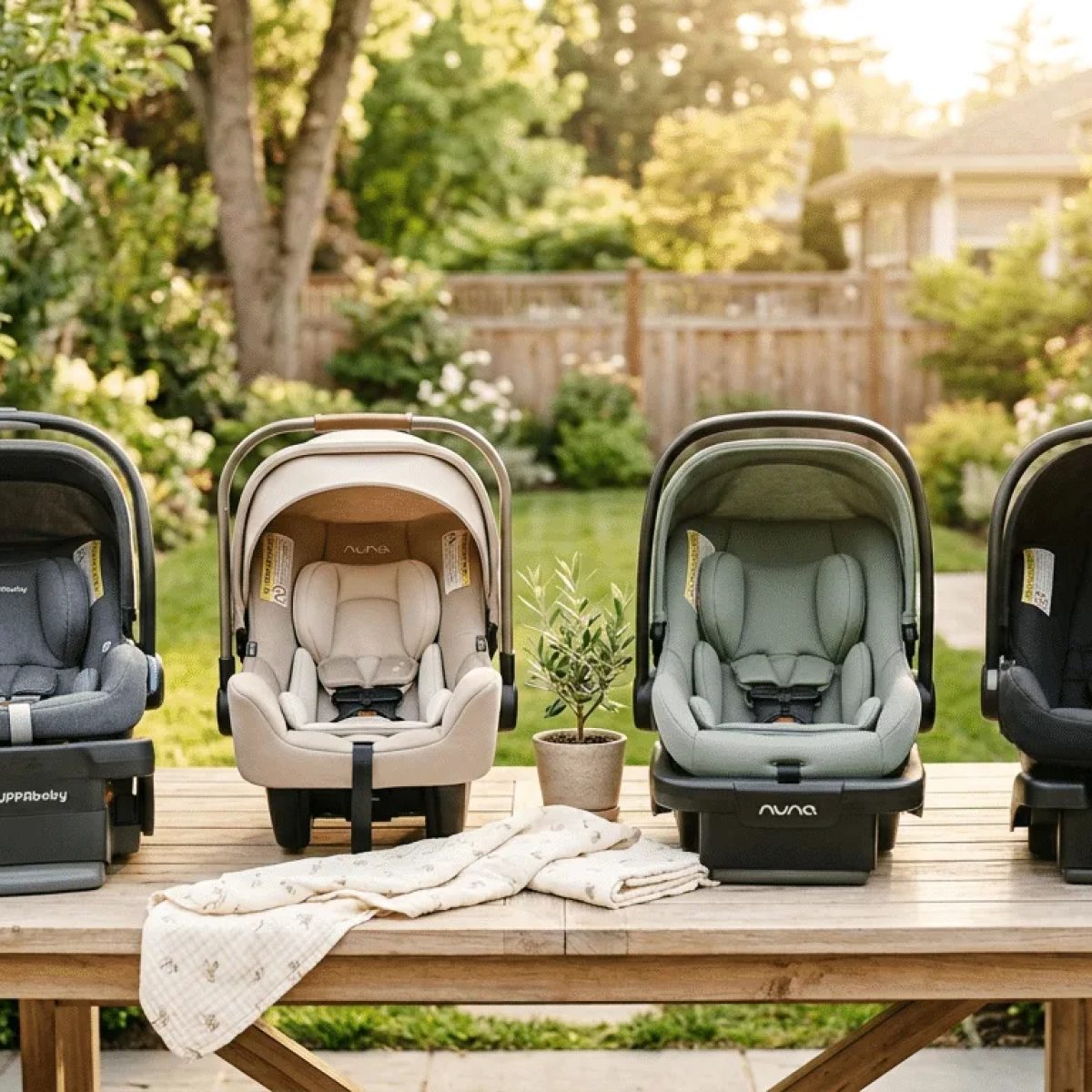
Infant car seats side by side on a table, comparing carry handles and bases

The short answer

The Nuna PIPA RX is the best all-round infant seat here — one of the lightest with a load leg, and a no-rethread harness that saves real time. For value, the Chicco KeyFit Max ClearTex keeps the lower-anchor installation that made the KeyFit line a default recommendation.

At a glance

Quick Comparison: Best Infant Car Seats 2026

ModelPrice tierBest for
Nuna PIPA RX4-32 lbs $$$Premium Safety-focused parents
Chicco KeyFit 354-35 lbs $$Mid-range Easy installation seekers
Doona+ Car Seat & Stroller4-35 lbs $$$Premium Frequent travelers & city dwellers
Graco SnugRide 35 Lite LX4-35 lbs $Budget Budget-conscious families

The picks

Detailed Reviews: Best Infant Car Seats 2026

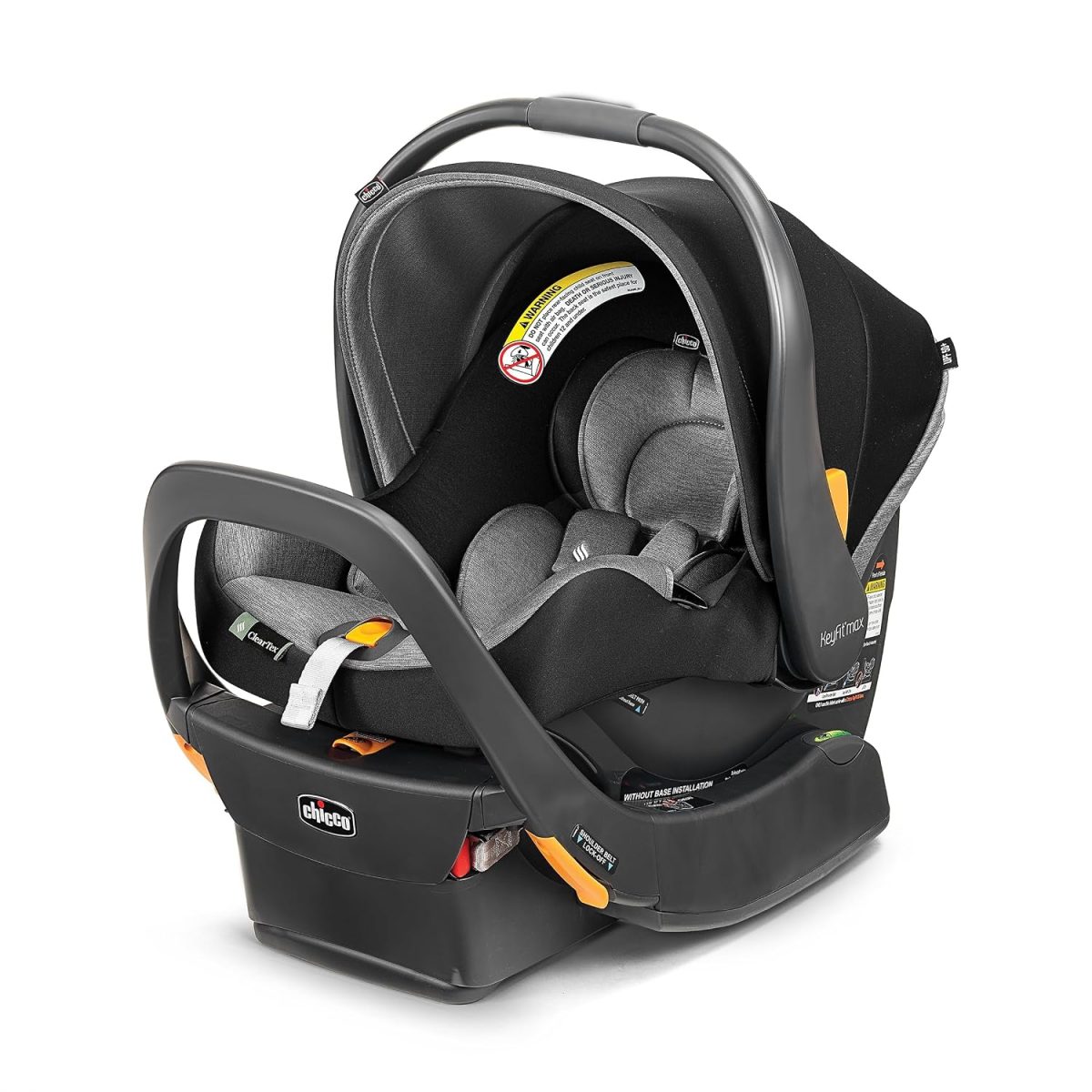
Chicco KeyFit Max ClearTex Infant Car Seat
BEST VALUE INFANT CAR SEAT

Chicco KeyFit Max ClearTex Infant Car Seat

Best value — the current KeyFit, with lower anchors and an easy-extend harness

Check Price Price tier: $$ · Mid-range
TypeRear-facing infant seat
InstallationLower anchor system
HarnessEasy-extend
Stroller attachmentClick-in, Chicco compatible
FabricClearTex line

This is the seat that has taken over the KeyFit line. For what changed between the KeyFit 30, the Max and the 35 — and why the bases are not interchangeable — see the KeyFit line explained. It keeps what made the family a default recommendation — a lower anchor installation system, an easy-extend harness that grows with the baby, and a click-in attachment for Chicco strollers.

ClearTex refers to the fabric standard used across this line. If you were shopping for a KeyFit 35, this is the version to look at now: the 35 has been discontinued and this is its successor.

Pros

  • Lower anchor system for installation
  • Easy-extend harness grows with the baby
  • Click-in stroller attachment
  • ClearTex fabric line
  • Successor to the discontinued KeyFit 35

Cons

  • Rear-facing only — a convertible follows later
  • Needs a Chicco-compatible stroller to click in
  • Mid-to-upper price for an infant seat
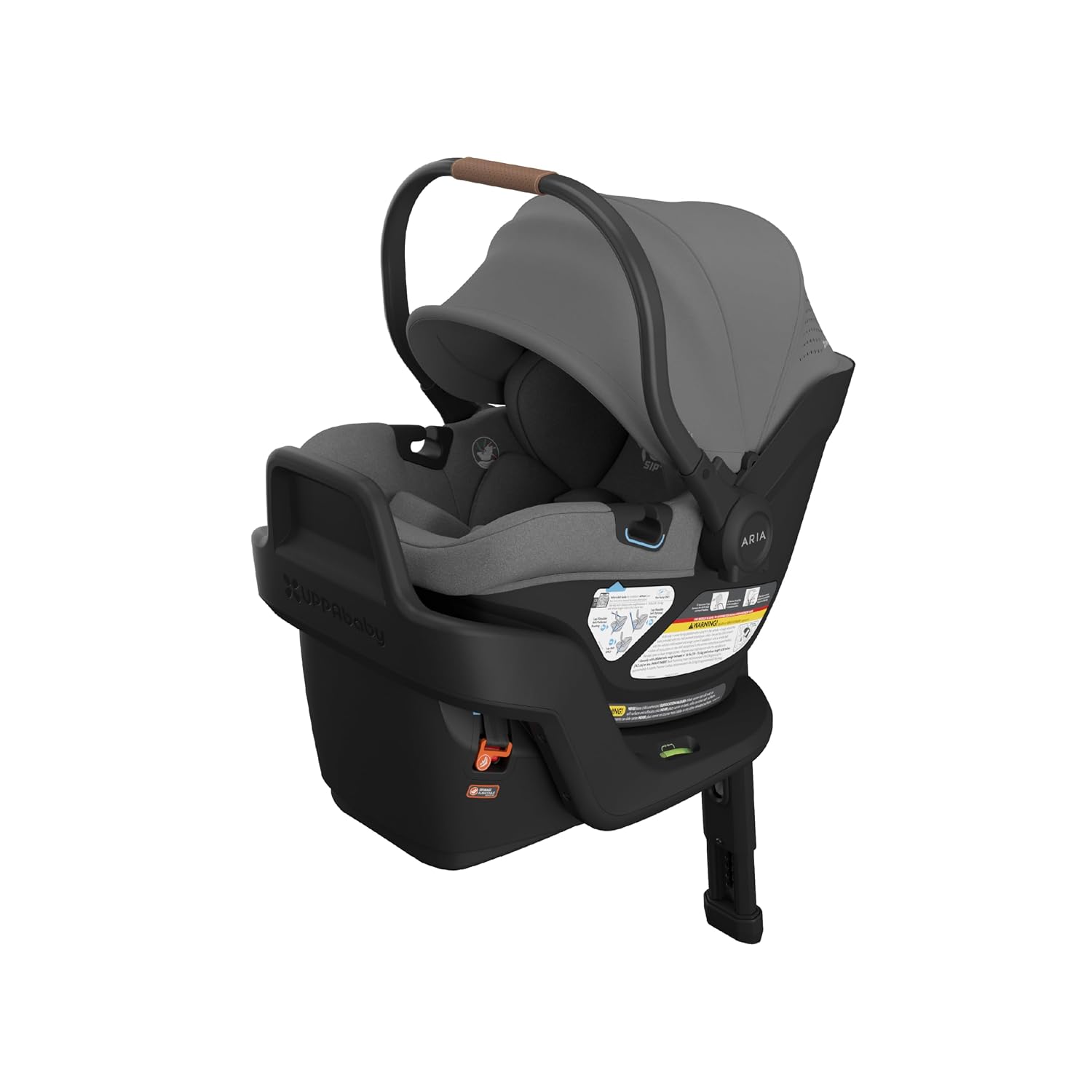
UPPAbaby Aria V2 Lightweight Infant Car Seat
BEST FOR TRAVEL

UPPAbaby Aria V2 Lightweight Infant Car Seat

Best travel pick — 6 lbs, with a load leg and a cover included

Check Price Price tier: $$ · Mid-range
Carrier weight6 lbs
Load legIncluded
CoverIncluded
TypeRear-facing infant seat

At 6 lbs this is the lightest seat in this comparison, and the difference is obvious the moment you carry it through an airport. UPPAbaby builds it around a load leg, which is the same approach the premium seats use.

That combination — low carry weight plus a load leg — is what makes it the pick for families who fly, use rideshares, or move the seat between cars often.

Pros

  • Lightest seat here at 6 lbs
  • Load leg included
  • Cover included
  • Easy to move between cars and on planes

Cons

  • Premium price
  • Rear-facing only
  • Works best with UPPAbaby strollers
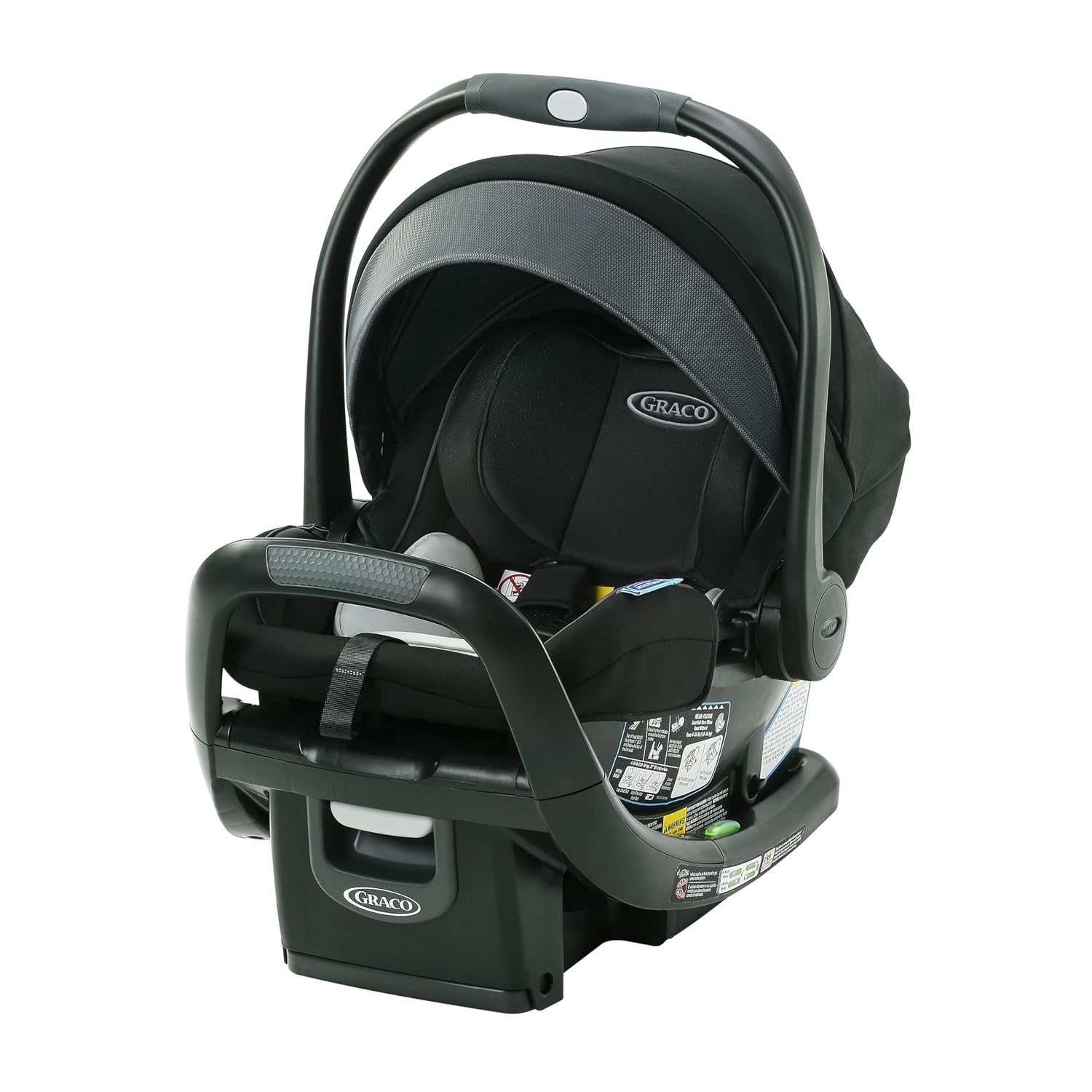
Graco SnugRide SnugFit DLX Infant Car Seat
BEST EVERYDAY PICK

Graco SnugRide SnugFit DLX Infant Car Seat

Best everyday pick — a one-hand adjustable handle at a mainstream price

Check Price Price tier: $$ · Mid-range
TypeRear-facing infant seat
HandleOne-hand adjustable
DirectionRear-facing only
Brand lineSnugRide
CompatibilityGraco strollers and bases

The DLX earns its place on the one-hand adjustable handle. It sounds minor until you are holding a baby in the other arm, which is most of the time.

It is a rear-facing infant seat — the category built around the smallest passengers, designed to be carried and clicked into a base or stroller. Graco's ecosystem of strollers and bases is the broadest of any brand here, which matters if you are building a travel system.

Pros

  • One-hand adjustable handle
  • Broadest stroller and base compatibility
  • Rear-facing safety as the design goal
  • Mainstream price

Cons

  • Rear-facing only
  • Carried weight includes the shell
  • Not the lightest in this comparison
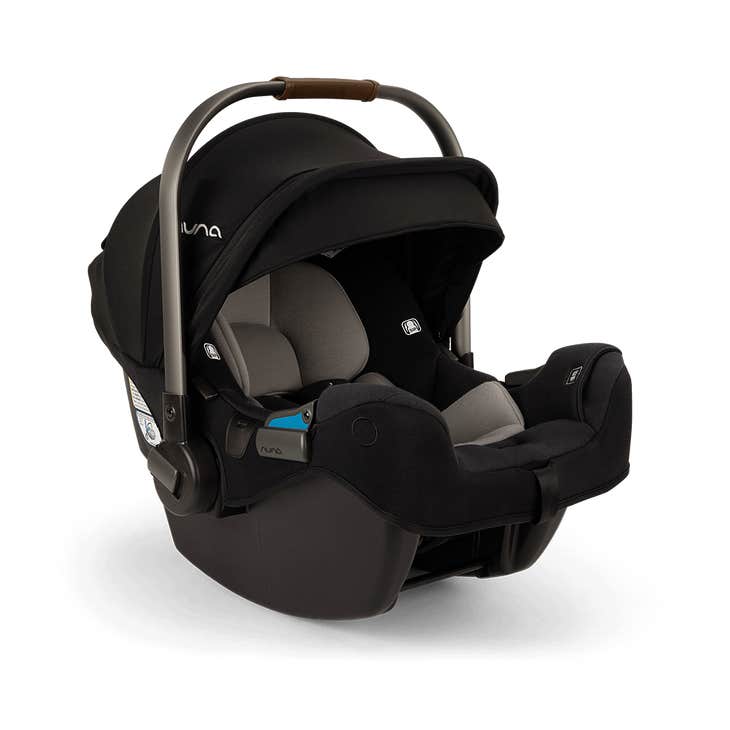
Nuna PIPA RX Infant Car Seat
127942; BEST OVERALL INFANT CAR SEAT

Nuna PIPA RX Infant Car Seat

Light at 7.7 lbs with a no-rethread harness and a load leg on the base.

Check Price Price tier: $$ · Mid-range
TypeRear-facing infant carrier
Carrier weight~7.7 lbs
Load legYes, on the base
HarnessNo-rethread
LATCHRigid, on the base

The PIPA RX is the one most often cross-shopped against the KeyFit, and the reason is weight. At around 7.7 lbs for the carrier alone it is one of the lightest seats with a load leg, and the load leg is the part that matters: it braces against the vehicle floor to limit rotation in a frontal crash, a feature the cheaper seats in this group leave out.

The harness is no-rethread, so moving the straps up as a baby grows takes seconds instead of pulling the whole harness apart. The canopy is generous and the fabric is machine washable.

Pros

  • One of the lightest seats with a load leg
  • No-rethread harness saves real time
  • Generous canopy
  • Machine-washable fabric

Cons

  • Premium price
  • Rear-facing only
  • The base adds bulk in the boot

Method

How this list is built

I cannot test every product myself — nobody reviewing these online can. So the method is to go to the sources that do, and be explicit about what is measured and what is judgement.

01

Published safety data

NHTSA and CPSC compliance results and the public recall database, checked for every model.

02

Manufacturer specifications

Weight and height limits, dimensions and materials — read from the manuals, not the marketing copy.

03

Verified owner reports

Thousands of long-term owner reviews, filtered for the ones describing years of use, not first-week impressions.

04

Recall history

Any model with an open safety recall is removed from the list rather than footnoted.

05

Re-checked quarterly

Specs change and recalls happen. Every model is re-verified on a schedule, and the date at the top reflects the last pass.

Complete Infant Car Seat Buying Guide 2026

How to Choose the Right Infant Car Seat

The best infant car seat isn't about the brand or price tag—it's about finding the one that fits your baby, your car, and your lifestyle. Here's what actually matters:

1. Understand Infant Seats vs. Convertible Seats

Infant car seats are rear-facing only and designed for newborns through approximately 12-18 months. They come with a base that stays in your car, allowing you to click the carrier in and out without disturbing a sleeping baby. They typically accommodate babies from 4-35 lbs.

Convertible seats can be used rear-facing and then turned forward-facing as your child grows. While they can technically work from birth, they stay in the car—no carrier function. Starting with an infant seat is the usual route for the newborn stage. For parents with taller babies, our convertible car seat guide for tall babies offers excellent alternatives.

2. Safety Features That Actually Matter

All infant car seats sold in the U.S. must meet Federal Motor Vehicle Safety Standards. However, some seats offer additional safety features. According to the American Academy of Pediatrics, these features can provide extra protection:

  • Stability Leg (Load Leg): Extends from the base to the vehicle floor, reducing forward rotation in a crash and distributing crash forces more evenly.
  • Anti-Rebound Bar: Limits the seat's rearward rotation during a rear impact.
  • Side Impact Protection: Extra padding and structure around baby's head and torso.
  • EPS Foam: Energy-absorbing foam that helps manage crash forces.

3. Ease of Installation

A car seat is only as safe as its installation. Look for features that make correct installation easier:

  • LATCH System: Built-in anchors that make installation straightforward.
  • Level Indicators: Visual guides (bubble levels or colored indicators) that confirm proper angle.
  • Color-Coded Confirmation: Green/red indicators to confirm secure connections.
  • Rigid LATCH Connectors: Easier to achieve a tight installation than flexible straps.

4. Weight and Portability

You'll be carrying this seat constantly—from car to house, car to stroller, car to everywhere. Weights range from about 7 lbs to 10+ lbs, and that difference is very noticeable when you add a growing baby. If you'll carry the seat frequently, prioritize lightweight options.

Never Buy a Used Car Seat: You cannot verify a used seat's history—whether it's been in a crash, exposed to extreme temperatures, or is past its expiration date. Car seats expire (typically 6-10 years from manufacture) because materials degrade. Always buy new.

5. Installation Tips for New Parents

Proper installation is critical for safety. Here are the basics:

  • The base should move less than 1 inch side-to-side when tested at the belt path.
  • Use either LATCH or seatbelt to install—both are equally safe when done correctly.
  • Check the angle indicator to ensure proper recline for your baby's age.
  • Get your installation checked by a certified certified technicians (Child Passenger Safety Technician)—find a free car seat inspection station near you.

Complete Your Baby's Travel System

Once you've chosen the perfect infant car seat, consider completing your baby's travel system. Many infant seats are compatible with jogging strollers—check our best jogging and hiking strollers guide. And for those precious early months at home, the HALO Bassinest Swivel Sleeper provides safe, convenient bedside sleeping.

Common questions

Frequently Asked Questions

Q: How long can a newborn stay in an infant car seat?
Pediatric experts recommend limiting car seat time to 2 hours per session. Prolonged sitting in a semi-upright position may affect breathing and spine development. Once you've reached your destination, transfer your baby to a safe, flat sleep surface.
Q: When should I switch from an infant car seat to a convertible?
Switch when your baby exceeds the height OR weight limit of the infant seat—whichever comes first. Most babies outgrow infant seats between 9-12 months. published testing recommends switching to a rear-facing convertible seat once baby reaches their first birthday, as their testing shows better head protection in larger seats for children over 12 months. Check out rotating car seat options for easier loading.
Q: Do I need a stability leg on my infant car seat?
A stability leg (load leg) significantly reduces forward rotation in a crash and helps distribute crash forces more evenly. While not required for a seat to meet federal safety standards, it does provide an additional margin of protection. If budget allows, I recommend choosing a seat with a stability leg—like the Nuna PIPA RX.
Q: Can I use an infant car seat on an airplane?
Yes, if the seat is FAA-approved (look for the label). Most infant car seats are approved for aircraft use—check that it's 16 inches or less in width to fit in an airplane seat. Using a car seat on a plane is the safest way for an infant to fly. The Doona is particularly popular for air travel since it eliminates the need for a separate stroller.
Q: Are expensive infant car seats safer than budget ones?
Not necessarily. As Emily A. Thomas, PhD, associate director of auto safety at published testing notes, "An expensive seat doesn't mean the best seat." All seats sold in the U.S. meet the same federal safety standards. Higher prices often mean premium materials, easier installation systems, and extra features—but not automatically better crash protection. The Chicco KeyFit 35 receives excellent safety ratings.

Ready to Find the Perfect Infant Car Seat?

I hope this guide helped you narrow down your options. Remember: the safest infant car seat is the one that fits your baby, fits your car, and is easy to use correctly every time. Your newborn deserves the best protection—and now you know exactly how to provide it.