Child Safety

Do Car Seat Bases Expire? Complete Expiration & Safety Guide

Expiry dates on car seat bases are set by the manufacturer, not by federal law — and a new side-impact standard lands on 5 December 2026. Here is how to find your seat's date and what to do about it.

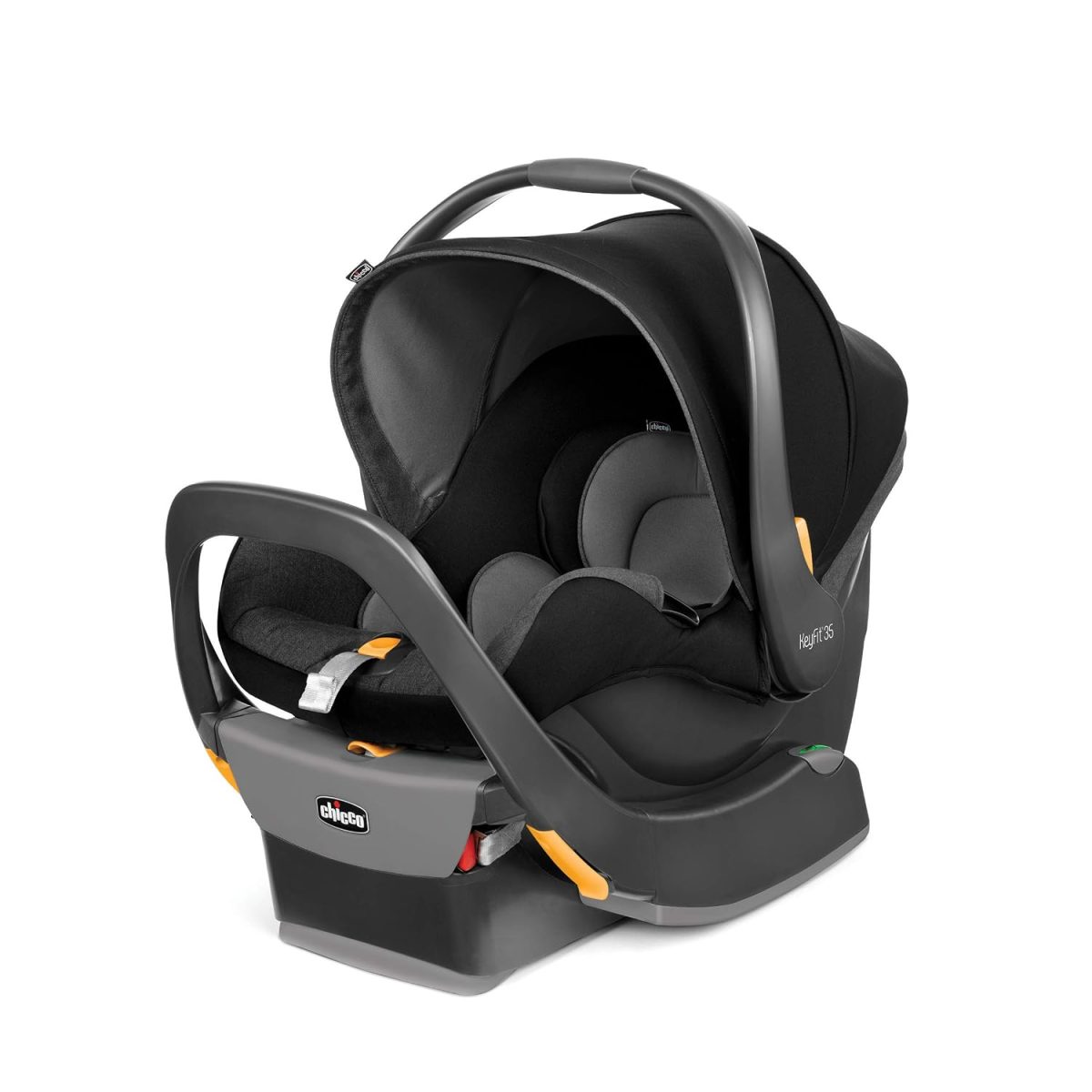
Chicco KeyFit 35 Infant Car Seat

The short answer

A car seat base has no expiry date in federal law — the service life is set by each manufacturer and printed on the seat, so the label on your shell is the only figure that applies. Check it now, stop using the seat at the date it gives, and replace immediately if the seat has been in a crash or has no label showing its manufacture date and model number.

What actually expires — and who decides

A car seat base does not expire because a law says so. There is no expiry clause in the federal safety standard. I read 49 CFR 571.213, the rule that governs child restraints in the United States, end to end: it sets crash-performance requirements, labelling requirements and test procedures, and says nothing about a service life.

The date comes from the manufacturer. Every major brand sets its own service life and prints it on the seat, which is why two seats that look identical can have different deadlines. Because it is company policy rather than regulation, the only figure that applies to your seat is the one on your label — not a number from a blog post, including this one.

What the standard does regulate is crash performance, and that is where an old seat gets interesting. See the new side-impact rule below.

Service life by brand

These are the periods the manufacturers publish. Treat them as a starting point and confirm against your own label, because models within a brand differ.

BrandPublished service lifeCounted from
ChiccoCheck the label on your modelDate of manufacture
GracoCheck the label on your modelDate of manufacture
BritaxCheck the label on your modelDate of manufacture
UPPAbabyCheck the label on your modelDate of manufacture
NunaCheck the label on your modelDate of manufacture

Why this table is deliberately not full of numbers: brand-wide year counts get repeated across the internet, go stale when a model is revised, and are wrong often enough to matter. A manufacturer can change a service life between production runs. The label on the shell is the authoritative document, and it takes about thirty seconds to read.

How to find your seat's date

The date is stamped, not printed on the outside of the box. You are looking for a label or a moulded stamp on the plastic shell itself.

  1. Turn the base over. The label is usually on the underside or the rear of the shell, often white with a barcode.
  2. Check the carrier too. On an infant seat the carrier and the base are one system — both pieces carry the same manufacture date.
  3. Read both numbers if there are two. Some labels show a manufacture date and an expiry date. Where only a manufacture date appears, the brand's service life is what you add to it.
  4. No label at all? That is your answer. The AAP's guidance on used seats is that a seat which lacks a label showing the date of manufacture and the model number should not be used — without those you cannot register it for recalls or check whether it has one.

Take a photo of the label now. You will want the model number when you register the seat for recall notices, and the date is easy to lose track of once the seat lives in a car.

The new side-impact standard, FMVSS 213a

This is the part most pages have not caught up with, and it is the strongest reason to be careful about the age of a seat.

Side-impact protection is not an amendment bolted onto the existing rule. It is a separate federal standard, FMVSS 213a. The final rule was published on 9 September 2026 and takes effect on 9 October 2026, with a compliance date of 5 December 2026 — delayed from an original date of 30 June 2025.

The practical consequence is simple to state: a seat manufactured before 5 December 2026 was not built to the side-impact standard, because the standard did not yet apply to it. That is not a claim that older seats are unsafe — they were built to the standard in force when they were made, and most performed well in it. It is a reason not to treat a decade-old seat as equivalent to a new one, and a reason the expiry date on the label matters more than how the seat looks.

If you are buying a new seat in late 2026 or after, it is worth asking the manufacturer or retailer whether the specific model complies with FMVSS 213a. The dates above are public record in the Federal Register.

Why an old seat is a weaker seat

Nothing in a car seat is inert. The shell is moulded plastic, the harness is webbing, and both live in the worst environment a piece of equipment can be asked to survive: a vehicle interior, cycling through summer heat and winter cold, with ultraviolet light through the glass.

Plastics embrittle. Webbing loses strength. Neither change is visible. A seat that has spent eight summers in a parked car can look factory-fresh and still not absorb crash energy the way it did when it left the factory — which is precisely why the manufacturer's date, and not your impression of the seat's condition, is the thing to rely on.

The second reason is the standard itself. As FMVSS 213a shows, the requirements a seat is tested against do change. A seat built to an older standard is not defective; it is simply built to an older set of expectations.

Replace it now, regardless of the date

The expiry date is one reason to stop using a seat. These are the others, and they override it:

  • It has been in a crash. A seat that has absorbed an impact should be replaced even if it looks undamaged — the damage you cannot see is the damage that matters.
  • It has been recalled and cannot be fixed. Check your model against the CPSC recall database, and register the seat so you are told directly.
  • It is missing its label. No manufacture date and no model number means you cannot establish its history or check it for recalls.
  • The harness is frayed, or the shell is cracked. Physical damage is never something to work around.
  • You do not know its history. A seat from an unknown source has an unknown crash history.

Our car seat fit calculator will tell you whether a replacement will actually fit your car before you buy it — measured against your own back seat, using manufacturers' published dimensions.

Disposing of it so nobody else can use it

An expired seat that goes out intact is a safety risk to whoever picks it up. Retire it properly:

  1. Destroy it. Cut the harness straps, and write “EXPIRED — DO NOT USE” on the shell in permanent marker, on more than one side.
  2. Look for a trade-in or recycling programme. Several manufacturers and large retailers run collection events, and some offer a discount on a replacement in exchange for the old seat. Details change year to year, so check the current programme rather than trusting a date in an article.
  3. If nothing is available, put it in the bin — not on the kerb. A seat left out for collection can be taken and used. Bag it so it is not tempting, and never donate an expired seat to a charity shop, a marketplace listing or a donation drive, however good it looks.

If it has expired

Replacing the base, not the whole seat

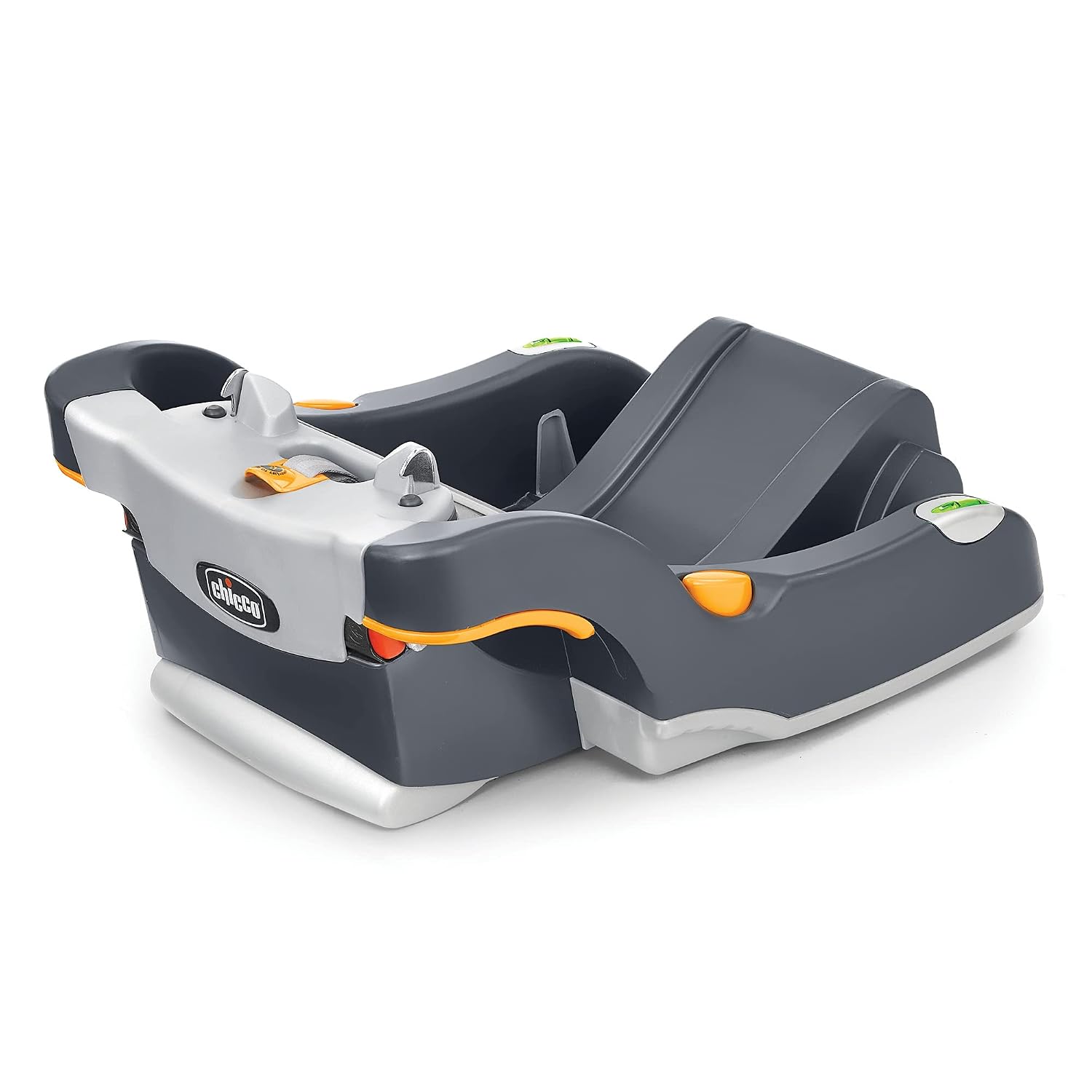
Chicco KeyFit Base
Stays in the car

Chicco KeyFit Base

The base your KeyFit carrier already clicks into.

Check price on Amazon Price tier: $$ · Mid-range

Why it is here: if your existing base has passed its date but the carrier itself is fine, this replaces the base alone — which is the cheapest correct answer, because your infant carrier only fits the base it was built for. Check the model number on your carrier before ordering: a base is not interchangeable between KeyFit generations.

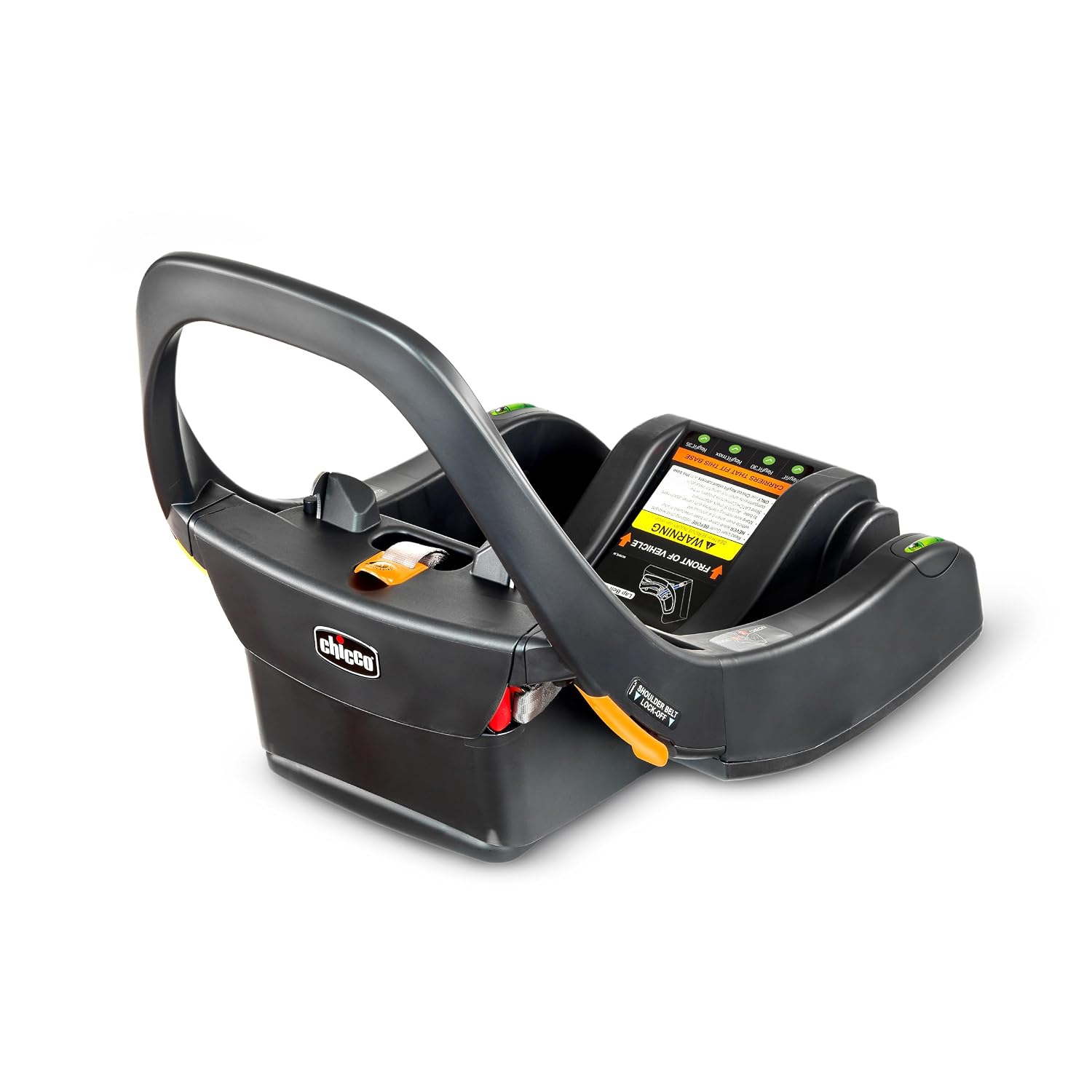
Chicco KeyFit Max Base
For the KeyFit Max carrier

Chicco KeyFit Max Base

The replacement base for the KeyFit Max carrier.

Check price on Amazon Price tier: $$ · Mid-range

Why it is here: the current-generation KeyFit base. Bases are the part that lives in the car and takes the wear — it is the one that gets stood on, kicked and left in a hot car for years, which is exactly why the expiry applies to it. If the carrier is sound, replacing just this is the cheaper route. Weighs 8.6 lb on its own.

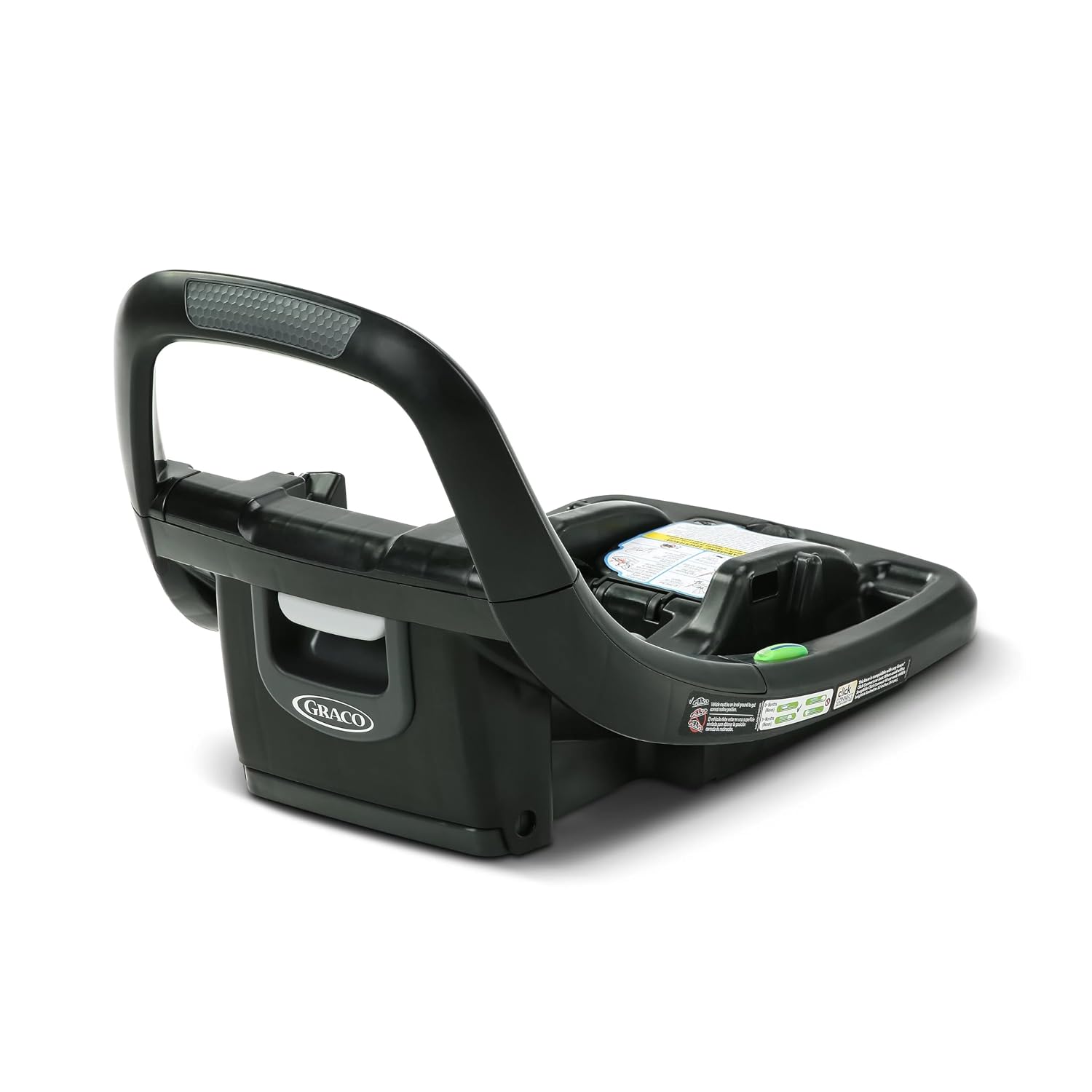
Graco SnugRide SnugFit Base
Cheapest of the three

Graco SnugRide SnugFit Base

A replacement base if you run a SnugRide SnugFit carrier.

Check price on Amazon Price tier: $$ · Mid-range

Why it is here: the lowest-cost base here, and a second base is a genuinely useful purchase — one base per car means you stop unclipping and refitting the base every time you swap vehicles, which is the moment most installation mistakes happen. Weighs 7.5 lb. As with the others, confirm it matches your carrier’s model.

Questions

Do car seat bases expire?

Yes, but not because of a federal rule. The federal safety standard for child restraints contains no expiry provision — the service life is set by each manufacturer and printed on the seat. Read your own label rather than a brand-wide figure, and stop using the seat at the date it gives.

Do the carrier and the base expire at the same time? If you are checking a Chicco, note that the KeyFit line has three different bases — which base goes with which seat, and what it costs.

On an infant seat they are one system and share one manufacture date, so yes — both reach the end of the service life together. Replacing only the base does not extend the life of the carrier.

Can I use a car seat after it has been in a crash?

No. A seat that has been in a crash should be replaced, even if it looks undamaged and even if the crash was minor enough that you are unsure. This applies regardless of the expiry date.

What is FMVSS 213a?

It is the federal standard for side-impact protection in child restraint systems — a separate standard rather than an amendment to FMVSS 213. The final rule was published on 9 September 2026, effective 9 October 2026, with a compliance date of 5 December 2026.

How long can my child ride rear-facing?

The AAP position is that all infants should ride rear-facing from their first ride home, and that they should continue rear-facing as long as possible, until they reach the highest weight or height their specific seat allows. The seat's own limits govern, not a fixed age.

Is a used car seat ever safe to use?

Only if you know its complete history and it carries a label showing the date of manufacture and the model number. Without those you cannot establish whether it has been in a crash, how it has been stored, or whether it is subject to a recall.